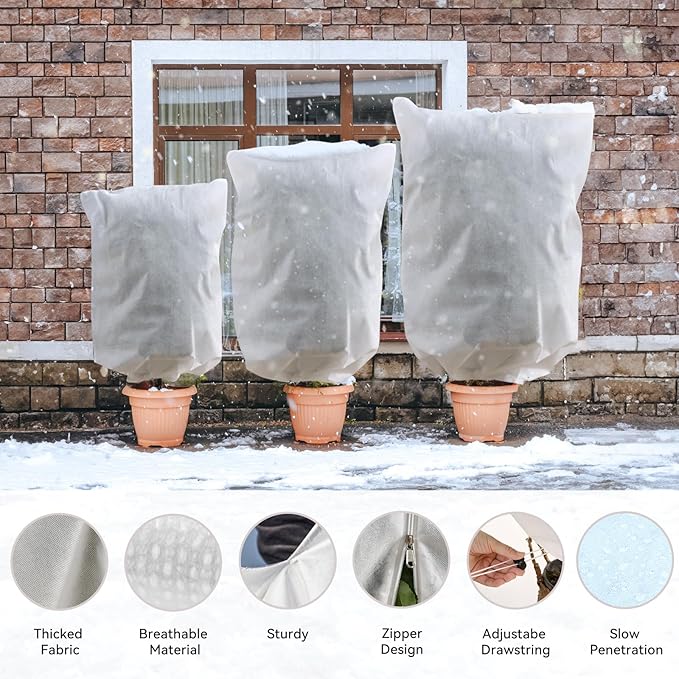
PP Nonwoven Fabric: The Material Powering Industries from Hygiene to Construction
Walk through a hospital ward, a shopping mall, a modern home, or a construction site, and you are never far from polypropylene nonwoven fabric. PP nonwovens account for roughly 63% of all fibers used in the global nonwoven sector—a dominance built on a rare combination of performance, processability, and price.
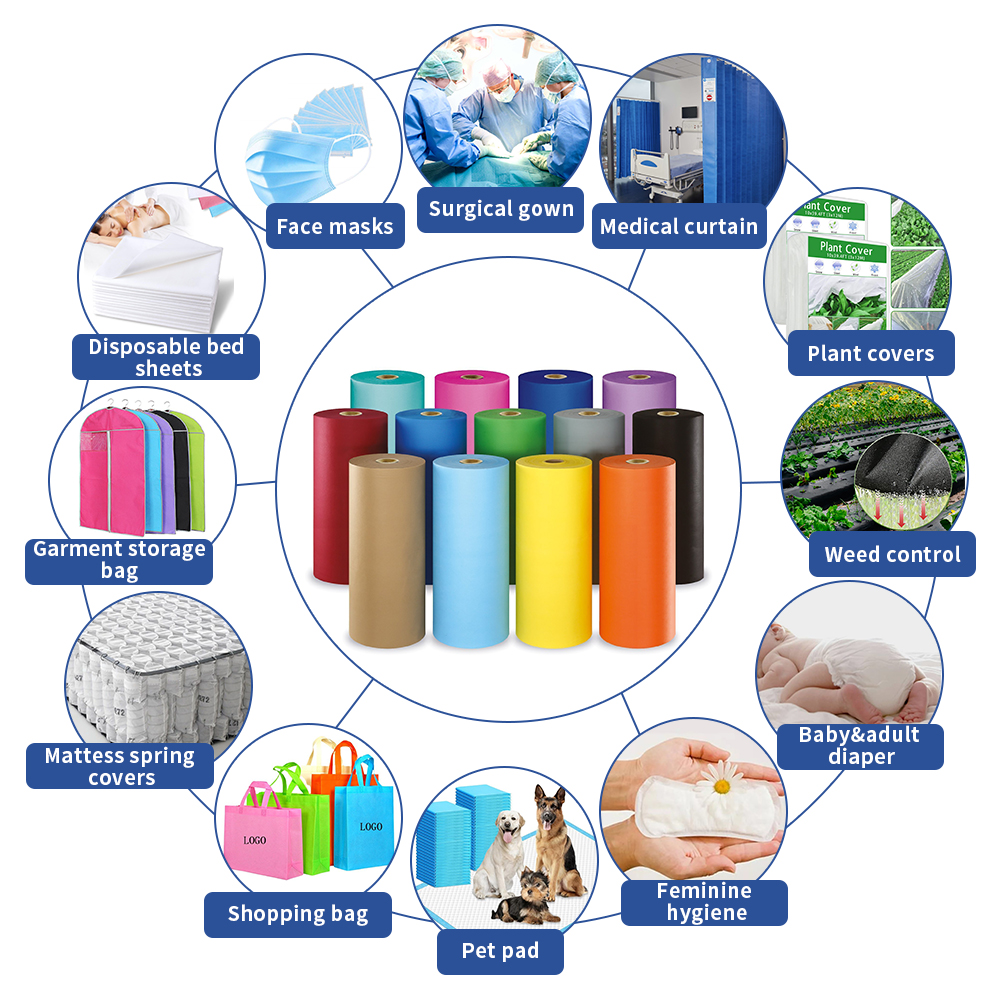
Where PP Nonwoven Goes to Work
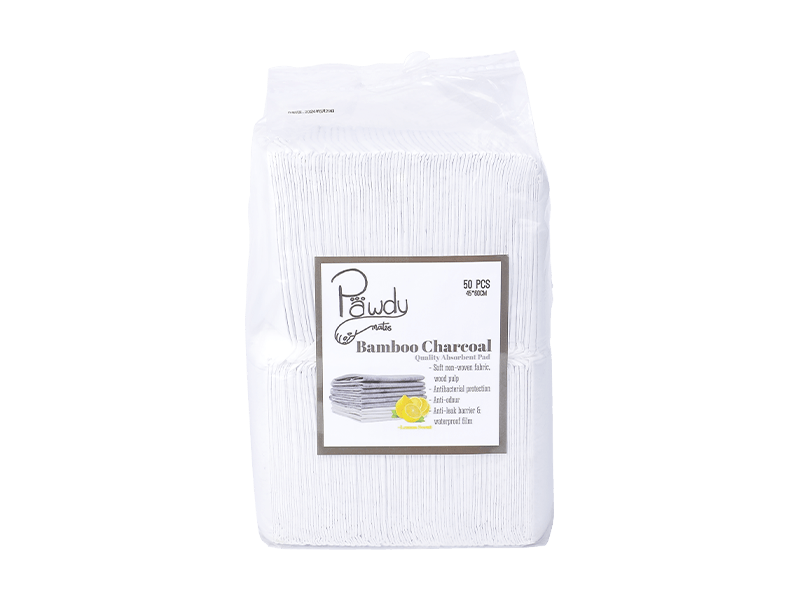
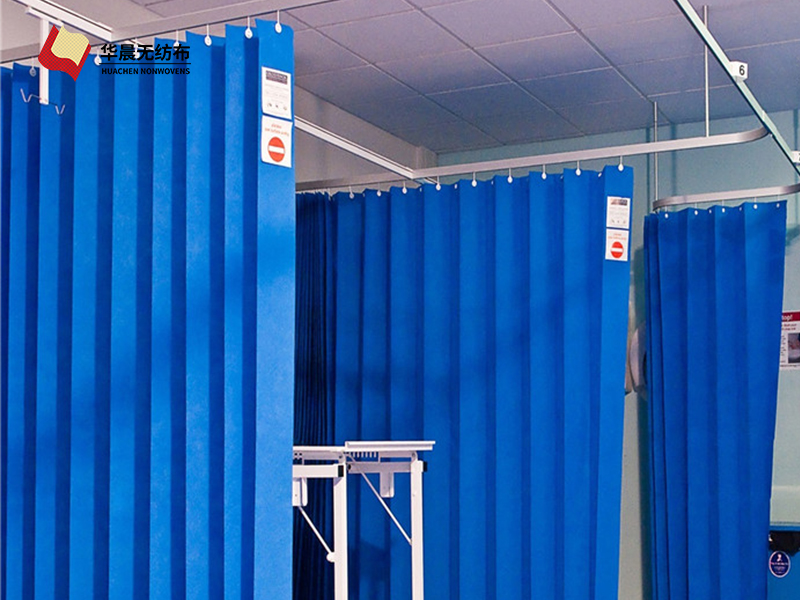
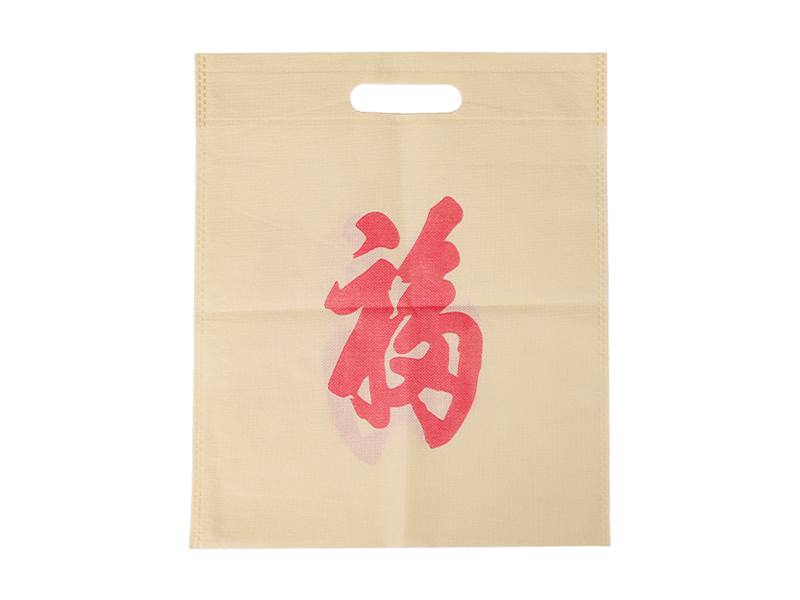
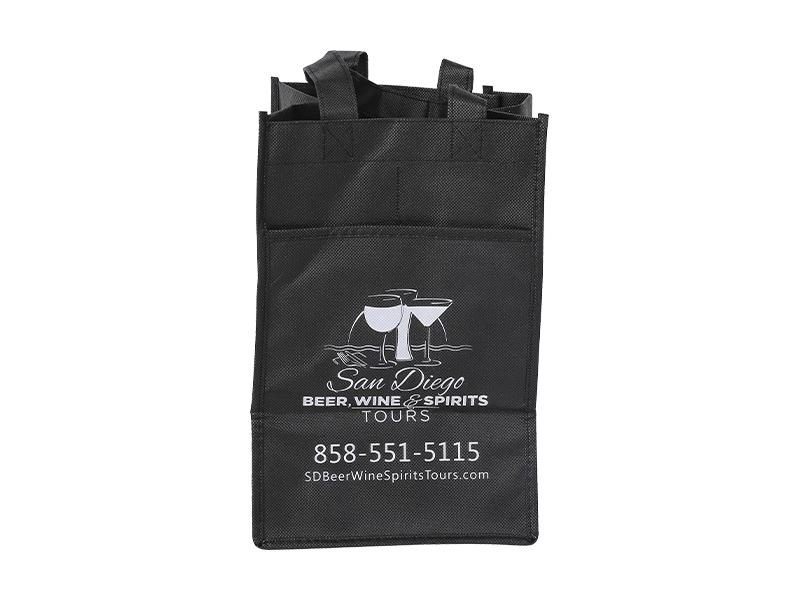
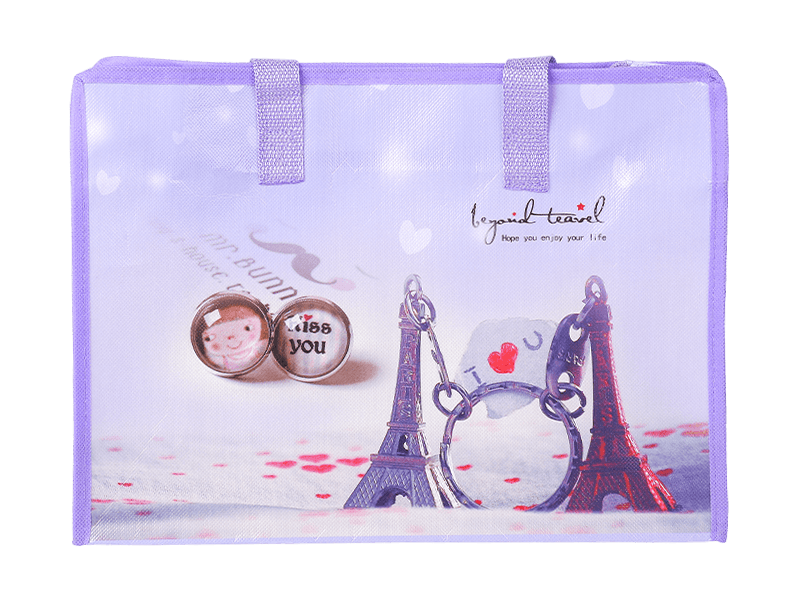
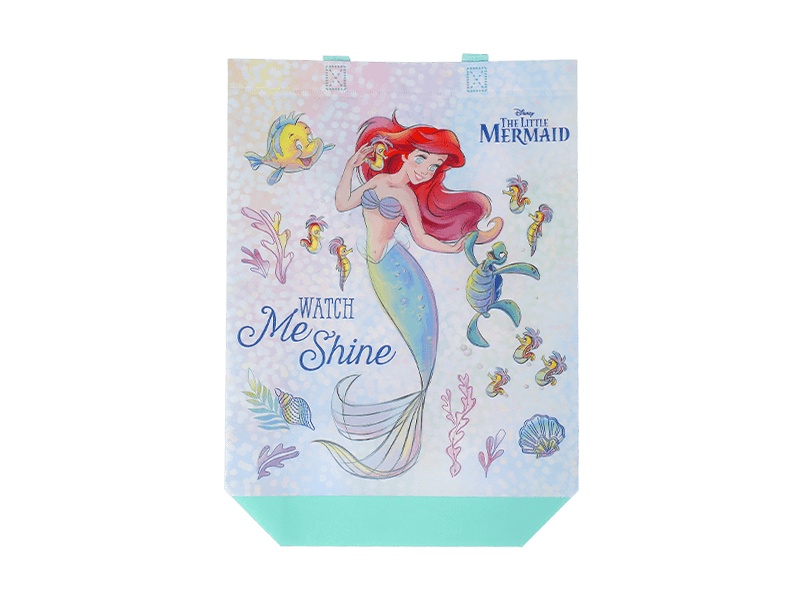
The application map is remarkably broad. In medical and hygiene, PP spunbond and meltblown layers form the backbone of surgical gowns, masks, diapers, sanitary napkins, and wet wipes. In packaging and retail, it becomes reusable shopping bags, promotional totes, and drawstring pouches that hold their shape under load. Home furnishings rely on PP for sofa and mattress covers, pillow linings, and curtain interlinings, while footwear and luggage use it as reinforcement and lining material. Even construction and filtration depend on it: roofing underlays, house wraps, and filter media for air and liquid separation all leverage PP's fibrous structure.
What Makes PP Nonwoven Perform
The functional case is equally strong. PP is inherently hydrophobic—it repels water while remaining breathable, so moisture vapor escapes but liquid stays out. In filtration, its fine fiber network delivers high particulate capture with low pressure drop, which is why electret PP meltblown media dominate air filtration and mask applications. The fabric is non-toxic, skin-safe, and resistant to mildew and insects, and it can be engineered with added functionality: antibacterial treatments, UV stabilization, flame retardancy, antistatic finishing, and hydrophilic variants are all available on request.
The Advantage Stack: Light, Strong, Economical
PP's density sits at just 0.90 g/cm³—the lightest among commodity polymers and roughly 35% lighter than polyester nonwoven (1.38 g/cm³). That means a roll of equivalent grammage covers more area per kilogram, reducing material consumption without sacrificing mechanical strength. PP also holds a 15–30% cost advantage over PET spunbond in high-volume applications, and it is fully recyclable as a single-polymer stream. Add excellent resistance to acids and alkalis, good tensile strength for its weight, and compatibility with heat sealing, ultrasonic welding, coating, and lamination, and PP becomes the default choice wherever disposable performance and cost efficiency must coexist.
Built to Your Specification
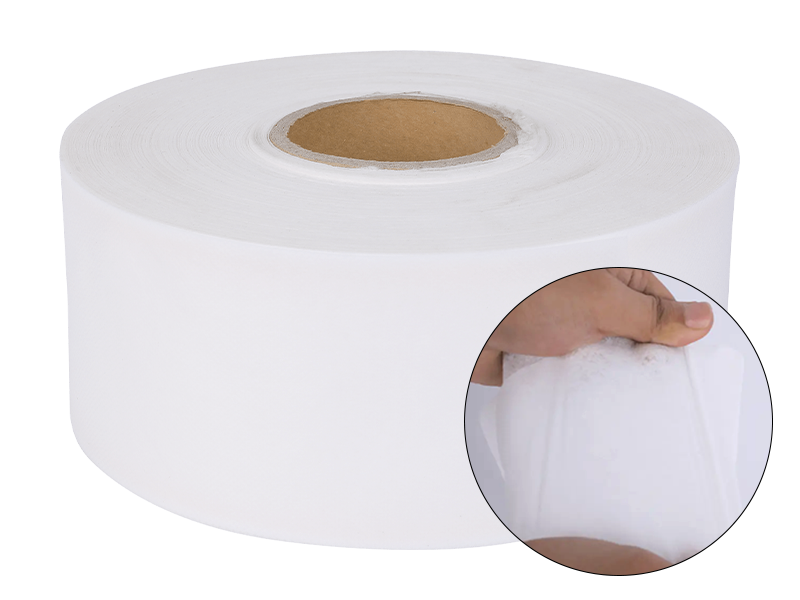
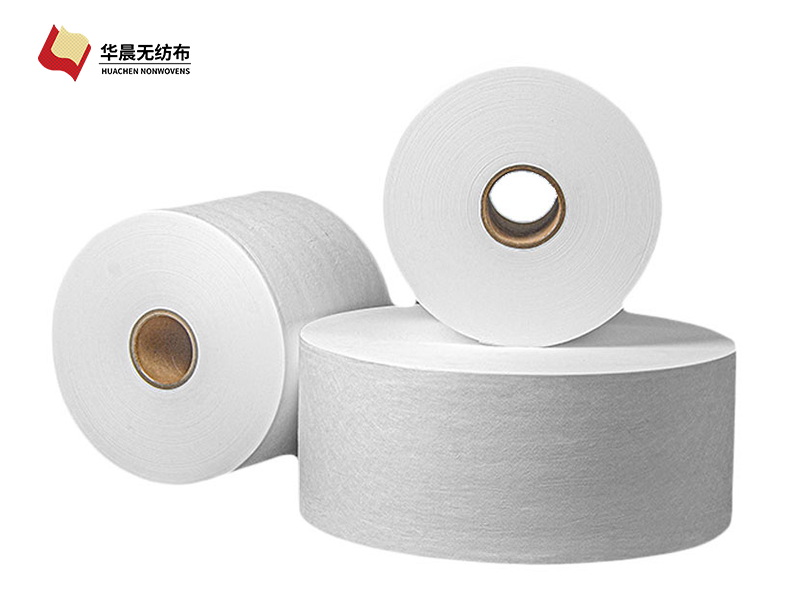
From 10 to 200+ gsm, in custom widths, colors, and finishes, PP nonwoven is not a one-size-fits-all commodity. Whether you are sourcing substrates for hygiene products, filtration media, protective packaging, or agricultural covers, the right PP specification—fiber size, bonding method, and functional treatment—determines how well the final product performs.
Explore our PP nonwoven range and request a sample today.


 English
 中文简体
 русский