PP Spunbond Agricultural Nonwoven: Lightweight Protection That Pays Back in Yield
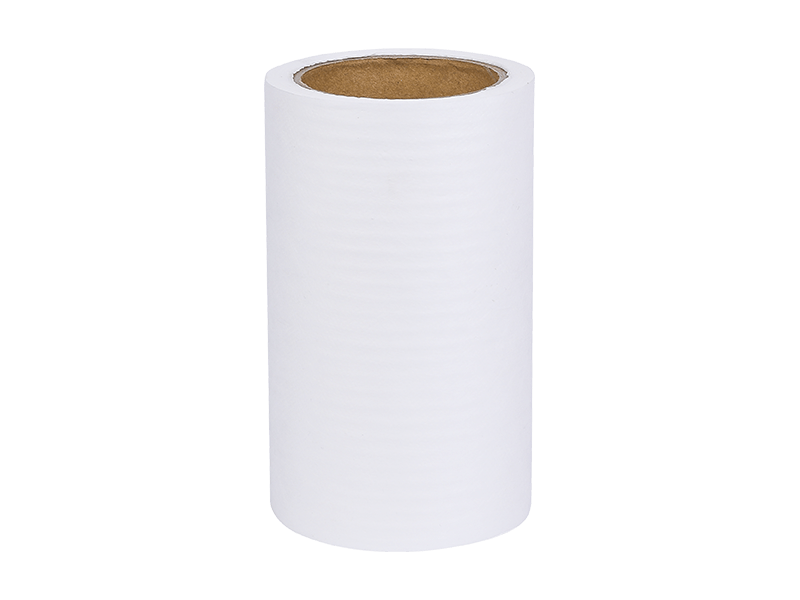
Agriculture is quietly being reshaped by a material that weighs less than perforated plastic film yet performs across the growing season. PP spunbond nonwoven fabric—made from continuous polypropylene filaments laid into a breathable, porous sheet—is now a functional input on farms, orchards, and greenhouses. Our agricultural range is built entirely on spunbond technology, so every roll delivers the same consistent strength, porosity, and outdoor durability.
What PP Spunbond Agricultural Nonwoven Does in the Field
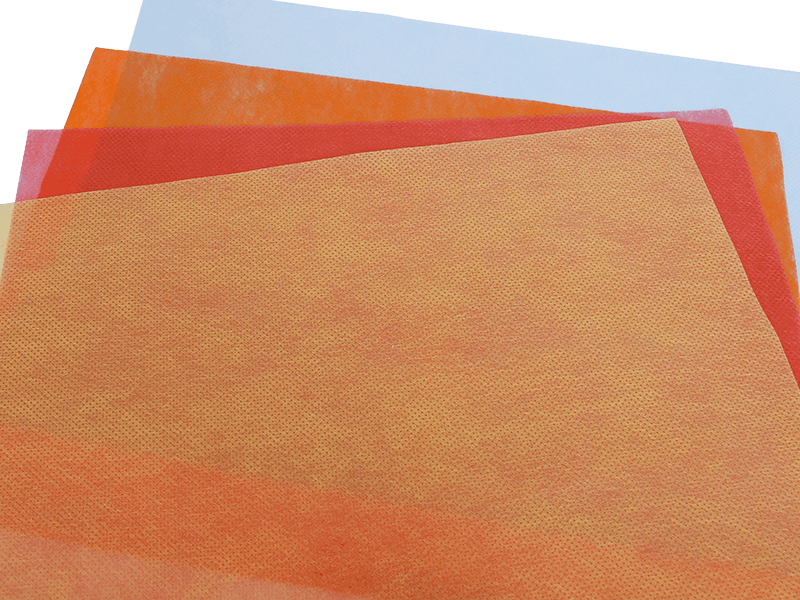
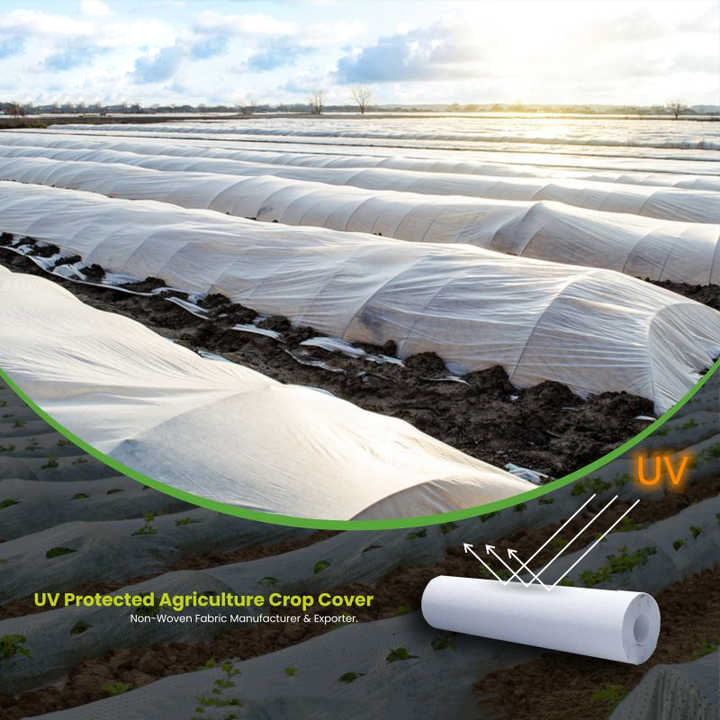
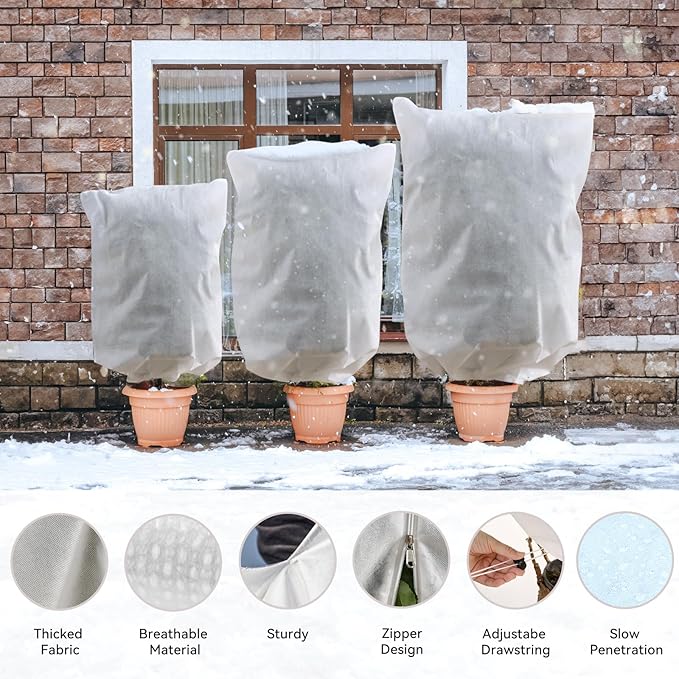
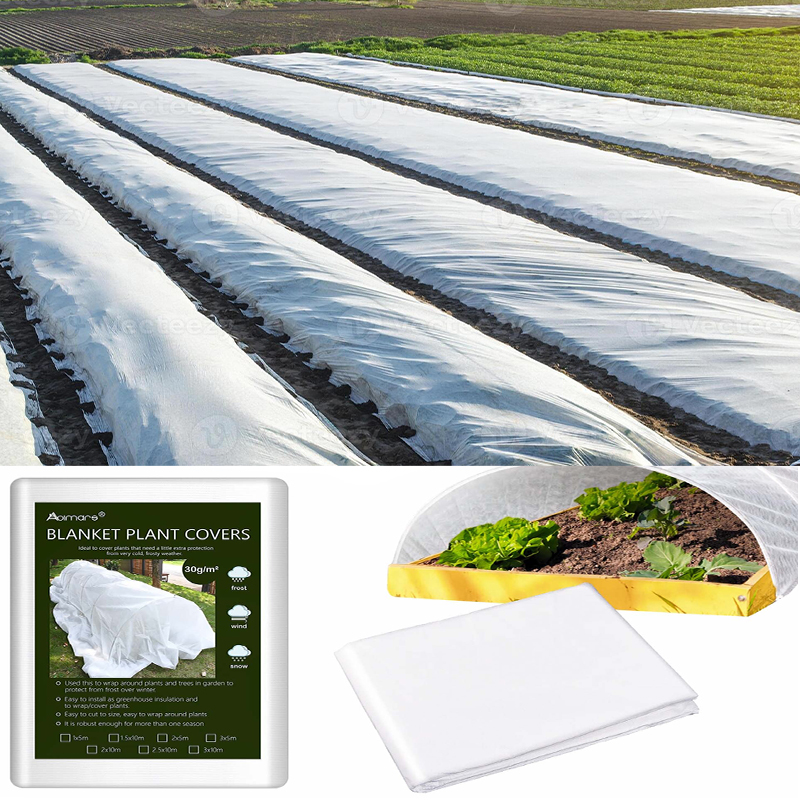
The application range spans the full crop cycle. Lightweight spunbond covers (15–40 gsm) are laid directly over seedbeds as floating row covers, creating a controlled microclimate that protects seedlings from frost, wind, insects, and excessive solar radiation while still allowing gas exchange and moisture permeability. Heavier spunbond grades serve as mulch fabrics, suppressing weeds, reducing evaporation, and stabilizing soil temperature. In high-value horticulture, spunbond PP appears as fruit wrap bags—trials have shown that 50 gsm spunbond PP bags produced the highest weight gain in outdoor melons compared with unwrapped fruit. Spunbond PP is also used in capillary mats for greenhouse soilless cultivation, as frost blankets for late-season protection, and as geotextiles for erosion control and drainage.
Functional Logic: Breathable Protection, Not Suffocation
The defining functional difference between PP spunbond nonwoven and plastic film is controlled porosity. Where PE film seals, spunbond fabric regulates. It is air- and water-permeable, so nutrients and moisture pass through while the fabric still blocks hail, birds, and pests. The material is UV-stabilized for outdoor exposure, with custom lifespans ranging from 3 months to 5 years depending on stabilizer loading. It functions as a “mini-greenhouse”—trapping solar heat and acting as a windbreak—yet does not hinder plant development because the fabric is light enough to rest on growing tissue without causing mechanical damage.
The Advantage Stack: Light, Reusable, and Yield-Positive
PP spunbond nonwoven is roughly 2.5 times lighter per square meter than 50-μm perforated PE film, which translates directly into lower freight cost, easier handling, and less physical stress on crops. Direct covers are described as the most cost-effective form of protected cultivation, and for good reason: early harvest under row covers can command price premiums two to three times those received a few weeks later. Field evidence points to 10–25% higher early cucumber yields under agrotextile compared with open-field cultivation, and nonwoven crop covers have been associated with 15–22% yield increases alongside 30% lower water consumption in broader trials. Heavyweight spunbond grades are reusable for several seasons, and the fabric’s role in reducing herbicide and pesticide dependence aligns with the sustainability requirements buyers now write into supply contracts.
Specified to the Crop, Not Sold as a Commodity
From 15 gsm floating covers to 100+ gsm heavy-duty mulch and frost blankets, in widths up to several meters and with UV packages matched to your climate, PP spunbond agricultural nonwoven is a specification-driven input. The right grammage, filament structure, and stabilizer system determine whether the fabric lasts one season or five—and whether it returns value in yield premium or material savings.
Explore our spunbond agricultural PP nonwoven range and request a specification sheet or sample roll for your crop and climate zone.


 English
 中文简体
 русский